
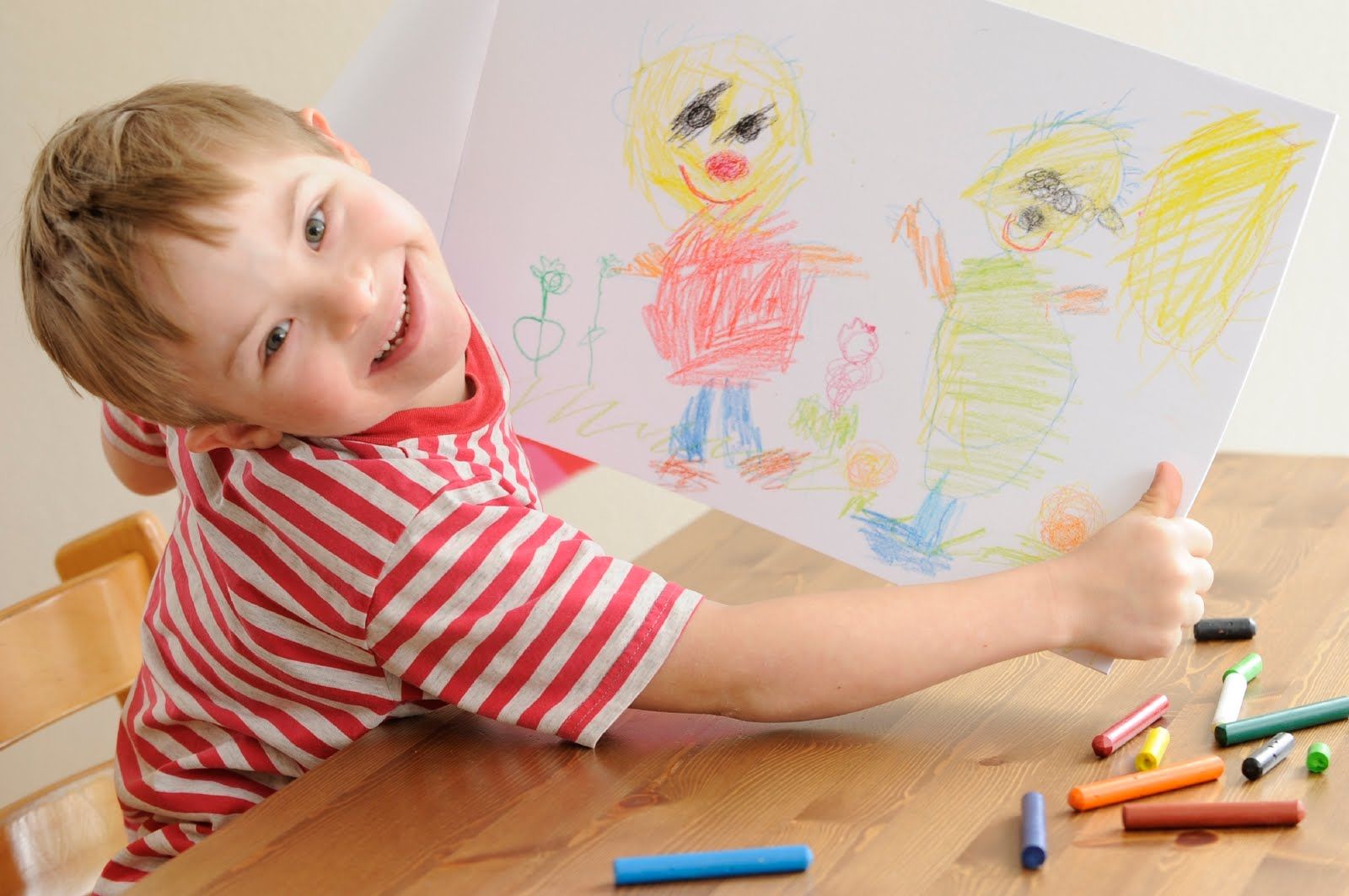
Finding out that your child has a special need can be a devastating experience for you and your wider family. Do not expect that you and your partner will react to a diagnosis or the sharing of difficult news in the same way. You may have different feelings at different times; one of you may deny that your child has a problem, while the other is experiencing feelings of intense grief. This in itself can often lead couples into crisis as it is easy to think that because your partner isn’t sharing your feelings that they don’t care.
Suzi who has a son with autism says:
“I sobbed, cried and grieved for the ‘normal’ child that I wasn’t going to have. I blamed myself as it must have been something I did. I cried for my beautiful boy who was going to have to face so much and I wished it were someone else’s child and not mine. My husband refused to accept the diagnosis, insisting that the experts were wrong. It took an incident where he was playing football at the park with our son to make him acknowledge that he is autistic. They were playing quite happily when a childminder arrived with several children. As soon as they approached, our son threw a hissy fit and got in his buggy, strapping himself in to go home. My husband came home distraught and said, ‘He is autistic isn’t he?’”

Img Source: lovebondings.com
It is important to talk about your feelings with your partner. No two people are going to feel the same and just because your partner is reacting in a different way from you doesn’t mean that they aren’t hurting. Men and women generally communicate very differently. Women tend to be more open with their emotions and discuss how they are feeling. Men, however, tend to function more as problem-solvers and may become frustrated if they cannot provide a solution to the child’s disability.
Once you understand that your partner may react differently to you it is easier to give each other the space necessary to come to terms with your different feelings.

Img Source: teenvogue.com
Don’t be afraid to ask for outside help too at this time: there are a number of online forums where you might be able to talk to other parents who have been through something similar. Or contact your GP or specialist organizations such as Contact a Family about where to get more help.
This is an extract adapted from Special Needs Child: Maintaining Your Relationship by Antonia Chitty and Victoria Dawson, White Ladder Press £12.99. The book is available online and in your local bookstore. Quote ISBN 978-190541056-9 to order.